
Algo & API Trading in India: What Retail Traders Need to Know Under SEBI’s New Rules
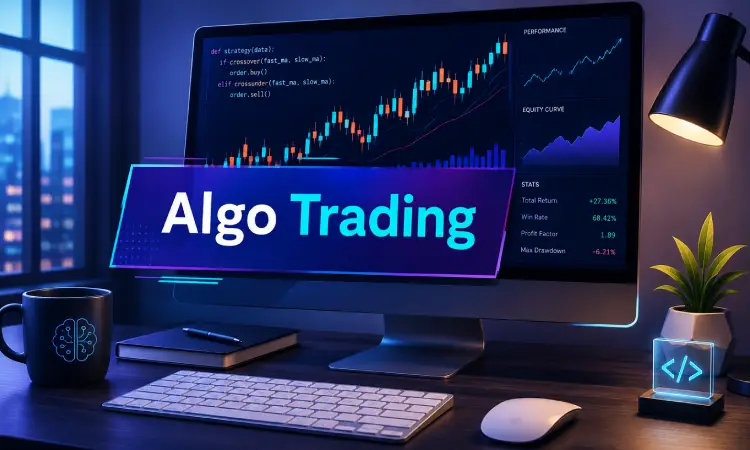
Ten years ago, algorithmic trading was something only institutions and proprietary desks could access. Today, a retail trader with a laptop and a broker API key can run automated strategies from their bedroom. SEBI’s 2026 rules have now stepped in to regulate that access — and if you’re trading with an API, or thinking about it, the rules of the game just changed.
Why Algo Trading Suddenly Needs Rules
Retail access to broker APIs grew fast in India — Zerodha’s Kite Connect, Upstox’s API, and similar tools made it easy for anyone comfortable with a bit of code (or a no-code platform) to automate their trading. That growth brought real benefits: faster execution, removal of emotional decision-making, and the ability to backtest a strategy before risking real money.
It also brought real risk. Unregulated algo trading meant retail traders were running strategies with no oversight on execution speed, no accountability for faulty code, and no clear line between manual discretion and automated risk-taking. SEBI’s new framework addresses this directly, alongside the broader F&O structural changes already reshaping the market.
What SEBI’s Algo Trading Rules Actually Cover
- Registration requirements for algo strategies above a certain scale, so brokers and exchanges have visibility into what’s running on their infrastructure
- Static IP and API-level monitoring for retail algo trading, reducing anonymous or unaccountable automated activity
- Tighter position limits that apply to algo-generated trades just as they do to manual ones — automation doesn’t exempt you from the new MWPL caps
- Clearer risk disclosures from brokers before granting algo/API access, similar to the disclosures now required for F&O access generally
- Stricter intraday position monitoring, closing the gap that let some algo strategies quietly exceed limits during volatile sessions
The overall direction is consistent with everything else SEBI has done this year: more transparency, tighter position control, and a higher bar for retail participants taking on automated or leveraged risk.
Manual, API, or Full Algo — What Actually Suits You
Manual trading still makes sense if you trade infrequently, or if your edge depends on discretionary judgment — reading news, sentiment, or price action in real time in a way that’s hard to codify.
API-assisted trading suits traders who have a clear, rules-based strategy but want faster execution than manually placing orders allows, without running a fully automated system.
Full algo trading is worth it only if you’re prepared to handle the compliance side — registration where applicable, static IP setup, and ongoing monitoring — and if your strategy is genuinely systematic enough to benefit from removing human judgment entirely.
Most retail traders overestimate how “algo” they actually need to be. A well-executed manual strategy with strict rules often outperforms a poorly monitored automated one.
What This Means If You’re Just Starting Out
If you’re still learning the market, algo trading isn’t the place to start — and that’s true regardless of what the new rules say. The traders who succeed with automation are almost always the ones who first understood the strategy manually: why the entry works, what the risk looks like, and how the trade behaves in different market conditions. Automating a strategy you don’t fully understand just means losing money faster and with less warning.
This is where a structured foundation matters. Upside’s Technical Analysis course builds the chart-reading and strategy-design skills that any algo strategy eventually needs to be built on, while the Research Analysis course helps you understand the market context that pure automation often misses. Get the manual foundation right first — automation is a multiplier, not a substitute for understanding.
Frequently Asked Questions
What are SEBI’s new algo trading rules for retail traders? +
They include registration requirements for larger algo strategies, static IP and API-level monitoring, position limits that apply equally to automated and manual trades, and clearer risk disclosures from brokers before granting API access.
Do I need to register my algo strategy with SEBI? +
Registration requirements generally apply above certain scale or complexity thresholds — most casual retail API users fall under lighter compliance, but it’s worth checking current broker-specific requirements before running automated strategies.
Is algo trading better than manual trading? +
Not inherently. Algo trading removes emotional decision-making and speeds up execution, but it only works well when built on a strategy the trader already understands manually — automating a flawed strategy just loses money faster.
Can beginners start with algo trading? +
It’s not recommended. Understanding market behaviour, risk management, and strategy design manually first gives you the judgment needed to build, monitor, and troubleshoot an automated system properly.
How do the new rules affect API trading through brokers like Zerodha or Upstox? +
Retail API trading is now subject to the same position limits, monitoring, and risk disclosure requirements introduced across SEBI’s broader 2026 F&O reforms — automation doesn’t exempt a trade from these caps.
Build the Foundation Before You Automate
Algo trading can be a powerful tool, but only in the hands of someone who already understands the strategy it’s running. Explore Upside’s Technical Analysis and Research Analysis courses to build that foundation first, or talk to a counsellor about the right learning path for where you’re starting from.